
401 Lincoln St Cañon City, CO 81212
How Dental Problems Can Affect Your Pet’s Eating Habits

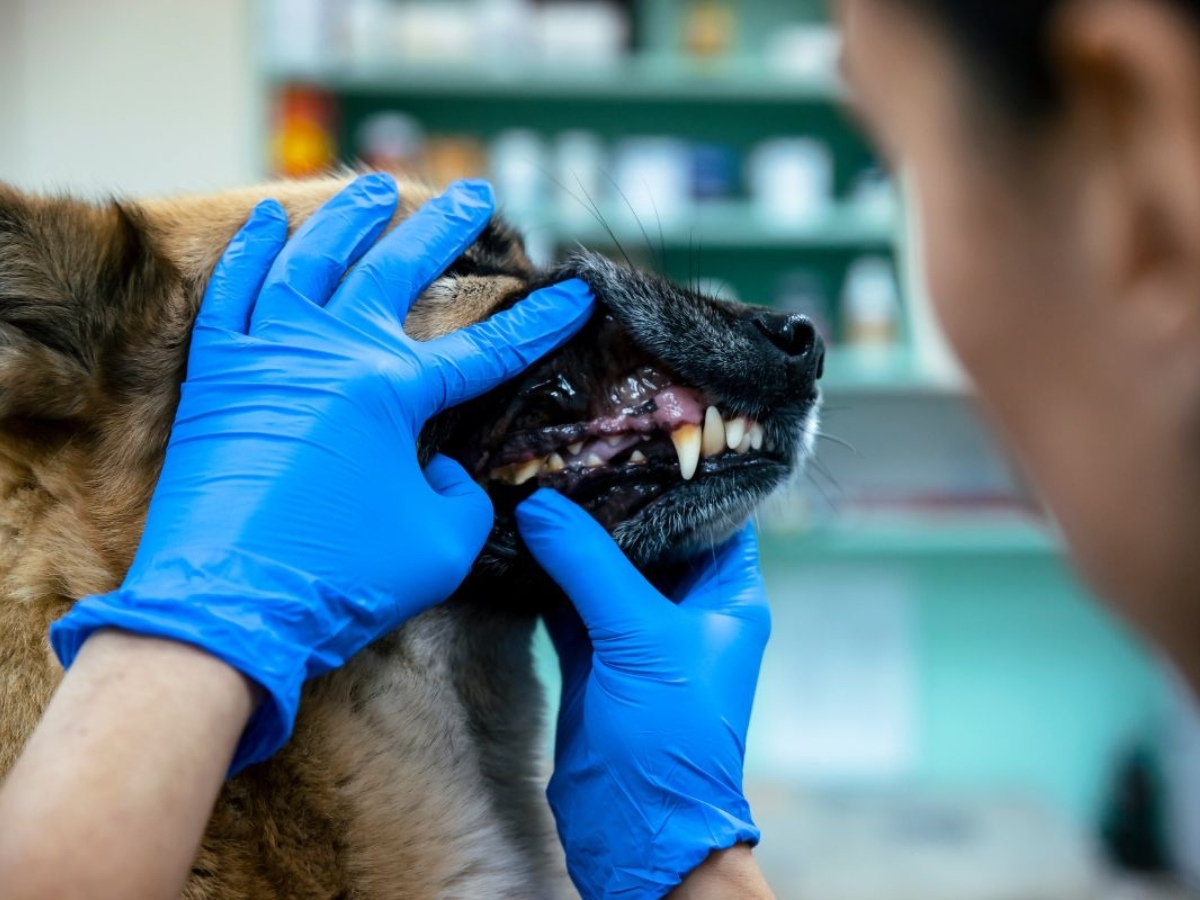
Has your dog suddenly stopped chewing favorite treats? Does your cat approach the food bowl but walk away without eating? These changes may indicate dental discomfort.
For pet owners in Cañon City, CO, recognizing changes in eating habits can help identify oral health problems early. At Fourmile Veterinary Clinic, we encourage families to notice subtle changes that may signal dental disease.
Dental problems can cause pain while chewing, difficulty handling food, and reduced appetite. Recognizing these warning signs helps pet owners know when professional dental care may be necessary.
How Dental Disease Affects Your Pet’s Eating Habits
Dental disease can affect the teeth, gums, and surrounding tissues. Conditions such as periodontal disease, fractured teeth, and oral infections may make chewing uncomfortable.
Periodontal disease develops when plaque and tartar contribute to inflammation around the teeth. As the condition progresses, it can damage supporting tissues.
However, pets may continue eating despite significant dental discomfort.
Some animals gradually change how they chew rather than refusing food completely. These adjustments can make oral health problems difficult to recognize.
Six Eating Changes That May Indicate Dental Problems
Your pet’s behavior around food can provide important clues about oral discomfort.
1. Difficulty Chewing Hard Food or Treats
A dog that previously enjoyed crunchy treats may suddenly refuse them. Similarly, a cat might avoid dry kibble while continuing to eat softer food.
Hard food places pressure on teeth and gums, which may increase discomfort when dental disease is present.
However, dietary preferences and other medical conditions can also influence food choices.
2. Dropping Food While Trying to Eat
Does your pet repeatedly drop kibble or struggle to keep food inside their mouth?
This behavior may indicate discomfort, damaged teeth, or difficulty chewing.
Some pets also tilt their heads while eating to avoid pressure on sensitive areas.
Repeated food-dropping deserves veterinary evaluation, especially when accompanied by drooling or unusual chewing movements.
3. Chewing Food on Only One Side
Pets experiencing localized dental discomfort may favor one side of their mouth.
This behavior can occur with fractured teeth, gum inflammation, or other oral conditions.
You might notice your pet turning their head while chewing or taking longer to finish meals.
4. Eating More Slowly Than Usual
Some animals continue eating their regular meals but take considerably longer to finish.
They may pause frequently, chew cautiously, or leave food behind.
Slower eating can result from dental discomfort, although nausea and other health problems may produce similar symptoms.
5. Approaching Food Without Actually Eating
A hungry pet may approach the food bowl but retreat after attempting to chew.
This behavior can indicate oral pain, especially when chewing triggers discomfort.
However, nausea, digestive problems, and other illnesses can also reduce food intake.
Dr. Menegatti may recommend an oral examination and additional testing, as needed, to investigate these symptoms.
6. Reduced Appetite and Unexplained Weight Loss
Dental pain can gradually reduce food consumption.
Over time, inadequate food intake may contribute to weight loss and reduced energy.
Significant appetite changes should never be attributed to dental disease without veterinary evaluation.
Call our animal hospital now if your pet repeatedly struggles to eat, develops visible oral swelling, or experiences persistent feeding difficulties.
Additional Warning Signs of Dental Disease in Pets
Eating changes may occur alongside other oral health symptoms.
Watch for:
- Persistent bad breath
- Red, swollen, or bleeding gums
- Excessive drooling
- Pawing at the mouth
- Visible tartar accumulation
- Loose or fractured teeth
- Swelling around the face or jaw
These symptoms may suggest dental disease, but only a veterinary examination can help determine their underlying cause.
How Veterinarians Diagnose and Treat Dental Problems
Veterinary dental examinations begin with an assessment of your pet’s mouth, teeth, and gums.
However, some dental conditions develop beneath the gumline and cannot be fully evaluated through a visual examination.
Our veterinarian may recommend an anesthetized oral examination and dental radiographs to investigate hidden problems.
Depending on the findings, treatment may involve professional cleaning, management of gum disease, or extraction of severely damaged teeth.
Veterinary recommendations depend on your pet’s overall health and the condition of their mouth.
When Should Eating Changes Become an Emergency?
Brief food hesitation may sometimes occur without serious illness. However, persistent chewing difficulties or reduced appetite warrant a veterinary appointment.
Seek prompt evaluation if your pet refuses meals, develops oral bleeding, or shows facial swelling.
Emergency veterinary attention may be necessary for breathing difficulties, severe facial trauma, uncontrolled bleeding, or collapse.
Do not give human pain medications without veterinary guidance.
Preventing Dental Problems Through Regular Oral Care
Consistent pet dental care may reduce plaque accumulation and support healthier teeth and gums.
Veterinarians commonly recommend regular brushing with pet-safe toothpaste, appropriate dental products, and routine oral examinations.
Home care cannot remove established tartar beneath the gums or replace professional treatment when dental disease develops.
Help Your Pet Eat Comfortably Again
Changes in eating habits can be early warning signs of dental discomfort. Recognizing these symptoms and seeking veterinary evaluation can help identify oral health problems before they become more serious.
At Fourmile Veterinary Clinic, we provide veterinary dental examinations and professional dental services for pets in Cañon City.
Call our hospital today at +1 (719) 275-6318 to arrange your pet’s dental consultation. Our veterinary team can assess your pet’s oral health and discuss appropriate treatment options to support comfortable eating and long-term dental wellness.
Frequently Asked Questions
- Can Dental Disease Cause Dogs to Stop Eating?
Yes. Painful teeth, gum inflammation, or oral infections may make chewing uncomfortable. Some dogs refuse food, while others continue eating differently. Persistent appetite changes require veterinary evaluation because other illnesses can cause similar symptoms.
- Why Does My Cat Drop Food While Eating?
Cats may drop food because of painful teeth, gum inflammation, or other oral problems. Difficulty chewing can also occur with non-dental conditions. A veterinary examination helps identify the cause and determine appropriate treatment.
- Can Pets Have Dental Disease Without Bad Breath?
Yes. Some pets develop dental problems without noticeable changes in breath. Fractured teeth, gum disease, and other oral conditions may remain difficult to recognize. Regular veterinary dental examinations help identify concerns before obvious symptoms develop.
- Is Soft Food Better for Pets With Dental Pain?
Soft food may be easier for some pets to eat temporarily, but it does not treat the underlying dental condition. Consult our veterinarian before making significant dietary changes, especially if your pet struggles to eat.
- How Often Should Pets Receive Dental Examinations?
Dogs and cats should generally receive an oral health assessment at least annually. Some animals need more frequent evaluations depending on age, dental history, and examination findings. The veterinarian can recommend an appropriate follow-up schedule.
- Can Professional Dental Cleaning Improve Eating Comfort?
Professional dental treatment may reduce discomfort when oral disease affects chewing. However, cleaning alone cannot address every dental problem. The veterinarian must evaluate the teeth and surrounding tissues to determine whether additional treatment is necessary.