
401 Lincoln St Cañon City, CO 81212
Senior Pet Care: Essential Tips for Keeping Older Pets Healthy

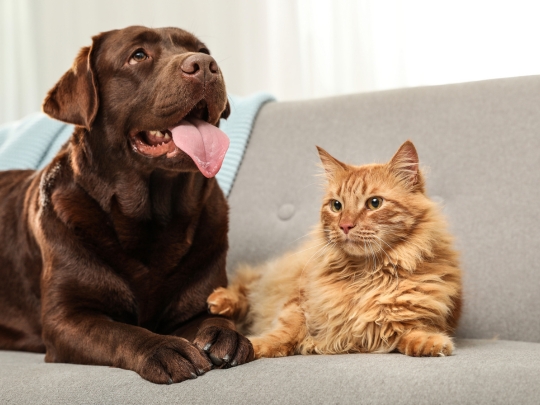
The dog who once raced to the door may now take a little longer to greet you. Your cat might spend more time resting and less time exploring the house. These changes can be part of growing older, but they can also signal health concerns that deserve attention. Senior pets need more than affection and a comfortable place to sleep. Their changing bodies require closer monitoring, thoughtful adjustments, and regular veterinary care.
Growing older does not mean pets must give up the activities they enjoy. Many older dogs and cats can continue living active, comfortable lives when their health needs receive proper attention.
For pet owners in Cañon City and nearby communities, understanding these changes can make caring for an aging companion easier. This guide explains practical ways to support your pet’s health, recognize early warning signs, and understand how our veterinary practice can help protect their comfort and quality of life.
When Does a Dog or Cat Become a Senior Pet?
There is no single age when every pet becomes a senior. A dog’s size, breed, and overall health influence how quickly it ages. Larger dogs generally enter their senior years earlier than smaller breeds. Cats are often considered seniors around age 10, although individual needs vary.
As pets grow older, their metabolism, mobility, immune function, and organ health may change. Some develop medical conditions, while others remain relatively healthy for years.
The important thing is to recognize that aging brings new health needs. Starting preventive senior pet care before serious symptoms appear can help identify problems while more management options may be available.
What Happens During a Senior Pet Wellness Exam?
A senior wellness examination generally includes a physical assessment and a discussion about your pet’s daily habits. Our veterinary team may evaluate:
- Body weight and muscle condition
- Joint movement and signs of discomfort
- Heart and respiratory health
- Teeth and gums
- Skin, lumps, and unusual growths
- Appetite, thirst, and bathroom habits
- Behavioral changes and mental awareness
Our veterinary practice also offers diagnostic screenings for aging pets. Bloodwork, urinalysis, and other recommended tests can help detect health concerns before noticeable symptoms develop.
These findings also help our vets monitor existing medical conditions and determine whether your pet’s care needs adjustment.
Recognize the Early Warning Signs of Health Problems
Many pet owners assume that slowing down is a normal part of aging. While older animals may become less active, significant changes should never automatically be dismissed.
Watch for these warning signs:
- Increased thirst or urination: These changes may indicate kidney disease, diabetes, or another medical concern.
- Unexplained weight loss: Losing weight despite eating normally may suggest an underlying health problem.
- Difficulty walking or climbing stairs: Stiffness, limping, or hesitation may indicate arthritis or another painful condition.
- Changes in appetite: Refusing food, chewing differently, or dropping food may signal dental disease or other illnesses.
- Unusual behavior: Confusion, nighttime restlessness, or reduced interaction may indicate discomfort or cognitive changes.
- New lumps or swelling: Any new or changing growth deserves veterinary evaluation.
An occasional change may not indicate serious illness. However, persistent or worsening symptoms should prompt a veterinary visit.
Keeping notes about changes in your pet’s behavior, appetite, and activity can help our vets assess potential concerns.
Provide Proper Nutrition and Maintain a Healthy Weight
Nutrition plays an important role in maintaining an older pet’s health. As activity levels and medical needs change, the diet that worked during adulthood may no longer be suitable.
Some senior pets need fewer calories because they exercise less. Others require dietary adjustments to help manage health conditions or maintain muscle mass.
Practical Feeding Tips for Aging Pets
- Offer a complete, balanced diet appropriate for your pet’s age and health.
- Measure meals rather than estimating portions.
- Monitor body weight and muscle condition regularly.
- Provide fresh drinking water throughout the day.
- Discuss supplements with your veterinarian before introducing them.
- Avoid making major dietary changes without veterinary guidance.
Not every older dog or cat needs a food labeled specifically for seniors. The appropriate diet depends on body condition, medical history, and individual nutritional requirements.
Our vets can recommend dietary adjustments that support weight management, joint health, and existing medical conditions.
How Can You Help a Senior Pet With Joint Pain?
Arthritis is a common concern in aging dogs and cats. Pets experiencing joint discomfort may struggle to stand, avoid stairs, or hesitate before jumping.
Our veterinary practice can assess mobility changes and discuss appropriate pain management options. These may include veterinary-prescribed medication, weight management, nutritional support, and home adjustments.
Never give your pet human pain medication without veterinary instructions. Many medications intended for people can be dangerous or fatal to animals.
Protect Your Older Pet’s Dental Health
Dental disease can affect pets throughout adulthood, but the effects may become more noticeable with age. Plaque buildup, gum inflammation, and damaged teeth can cause discomfort and interfere with eating.
Bad breath, excessive drooling, difficulty chewing, or reluctance to eat hard food may indicate oral health problems.
Regular dental assessments help our vets identify concerns that may require treatment. Professional dental care, when recommended, can address problems that brushing alone cannot resolve.
At home, use pet-safe oral care products and follow your veterinarian’s recommendations. Dental health remains important throughout your pet’s senior years.
Support Your Pet’s Mental Health and Changing Senses
Older dogs and cats sometimes experience changes in memory, awareness, hearing, or vision. These changes can affect how comfortably they navigate familiar surroundings. A dog may seem confused in a previously familiar room. A cat might begin vocalizing at night or have trouble locating its litter box.
These behaviors can have several causes, including medical conditions, pain, sensory loss, or cognitive dysfunction. A veterinary examination can help determine what may be contributing to the changes.
You can support an aging pet by maintaining familiar routines, providing gentle interaction, and avoiding unnecessary changes to their surroundings. Simple activities, such as supervised exploration, food puzzles, or short play sessions, may also help keep your pet mentally engaged.
When Should You Contact a Veterinarian About Your Senior Pet?
Do not wait until your pet develops severe symptoms before scheduling a visit. Changes in appetite, drinking habits, weight, movement, or behavior are worth discussing with a veterinarian.
Contact our veterinary practice if your older pet begins showing persistent stiffness, unexplained weight changes, unusual fatigue, or difficulty performing familiar activities.
Sudden collapse, breathing difficulties, seizures, or an inability to urinate require immediate emergency veterinary attention. Early evaluation can help identify the cause of a problem and allow treatment or management to begin sooner.
Help Your Senior Pet Enjoy More Comfortable Years
At Fourmile Veterinary Clinic, we help families in Cañon City and neighboring communities care for their aging dogs and cats through senior wellness examinations, diagnostic screenings, and ongoing health management.
Contact our veterinary practice at 719-275-6318 or schedule a senior pet wellness appointment today. Our team is ready to help you make informed decisions about your companion’s comfort, health, and changing needs.
Frequently Asked Questions
- How often should senior dogs and cats visit the veterinarian?
Many senior pets benefit from veterinary examinations every six months. Older animals are more susceptible to certain medical conditions, making regular monitoring important. Pets with ongoing illnesses may need more frequent appointments based on their veterinarian’s recommendations.
- What are the most common health problems in older pets?
Arthritis, dental disease, kidney problems, heart conditions, metabolic disorders, and cognitive changes are among the concerns seen in senior dogs and cats. Routine wellness examinations and appropriate diagnostic screenings help identify these conditions and guide treatment decisions.
- Can an older pet remain active despite arthritis?
Yes. Many pets with arthritis can continue enjoying gentle physical activities when their discomfort is properly managed. Weight control, suitable exercise, home modifications, and veterinary-directed treatment may help improve mobility. An examination is important before starting or changing pain medication.
- Where can I schedule a senior pet wellness exam in Cañon City?
Fourmile Veterinary Clinic provides senior pet wellness examinations in Cañon City. Our veterinarians assess age-related changes, review medical histories, and recommend appropriate diagnostic screenings. Regular appointments help us monitor your pet’s health and address developing concerns.
- Does Fourmile Veterinary Clinic offer bloodwork for senior pets in Cañon City?
Yes. Fourmile Veterinary Clinic offers senior wellness care that often includes bloodwork, urinalysis, and other diagnostic screenings. These tests can help our vets evaluate organ function and identify health changes that may not yet cause visible symptoms. Testing recommendations depend on each pet’s health and medical history.
- How can pet owners near Florence and Cañon City get help for an older pet with joint pain?
Pet owners in Florence, Cañon City, and surrounding communities can contact Fourmile Veterinary Clinic for a senior pet evaluation. Our vets can assess mobility problems, investigate possible causes of discomfort, and recommend appropriate pain management, nutrition, and home care adjustments to help aging pets remain comfortable.